
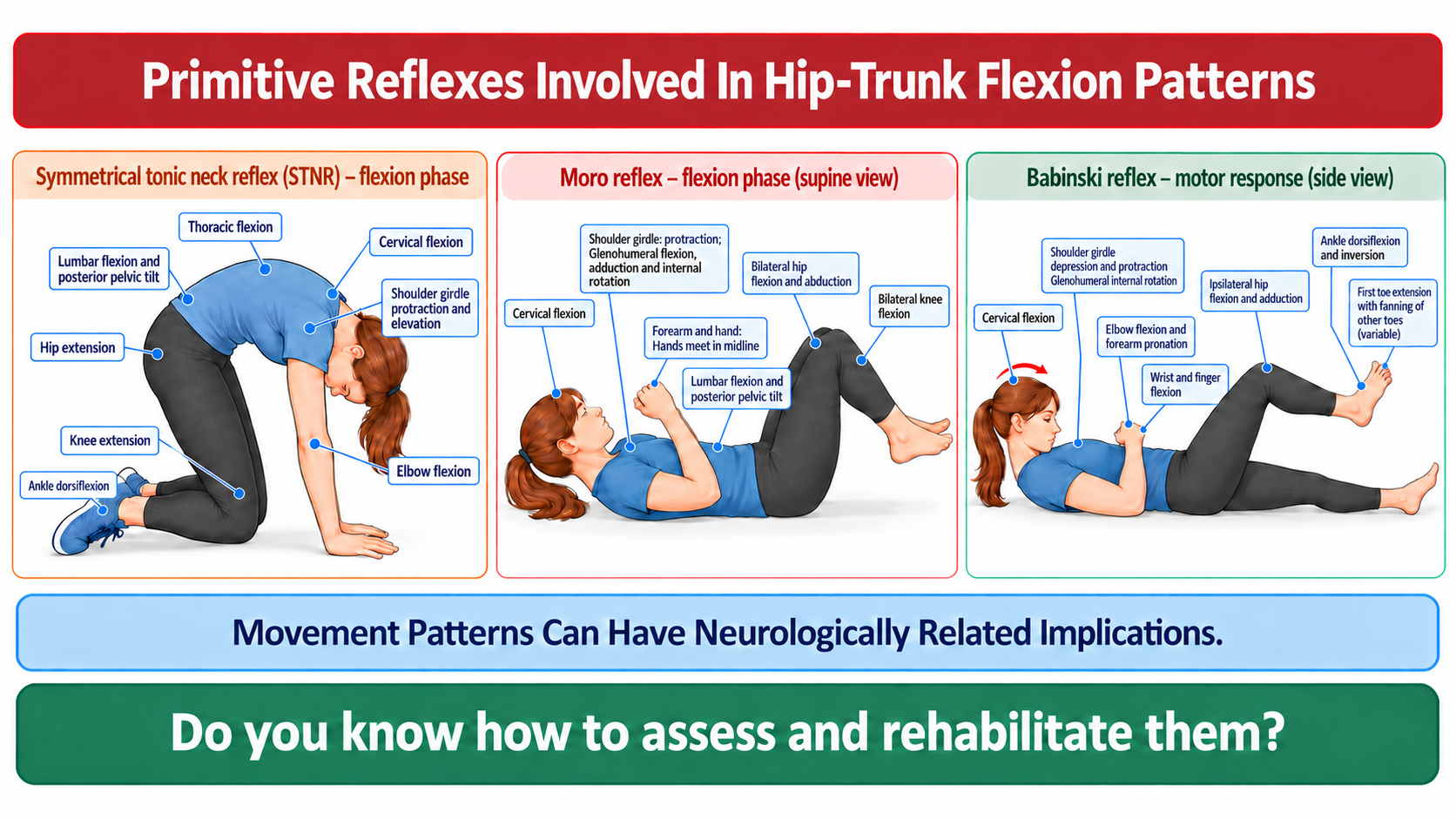
Primitive reflexes are involuntary, stereotyped motor responses that develop in utero and are present at birth. They originate in the brainstem and are influenced by the spinal cord.
Their purposes are survival, protection and serve as the foundation for the development of movement.
A considerable body of research shows they exist beyond infancy in children, adolescents and adults.
We have demonstrated that primitive reflexes influence global abdominal hollowing
https://pmc.ncbi.nlm.nih.gov/articles/PMC3936867/
My PhD research looked at motor skill learning ability for specific motor control exercises (also called segmental stabilizing exercises and motor control exercises) and specific movement pattern control exercises. Many people who could not learn the exercises displayed features of neurodevelopmental disorders so it I looked at what other impairments they had. Primitive reflexes were a natural interest since they could influence movement / motor control and were modifiable. They were an obvious target for research and potential rehabilitation.
This is quite a new concept for most musculoskeletal physiotherapists. The notion of “neurologically – related” rehabilitation seems somewhat foreign to most orthopedic therapists, but in reality, is a perfect match. It opens up a whole other branch of treatment and offers rehabilitation options for patients who have trouble (or who can’t) learning motor skill based exercises.
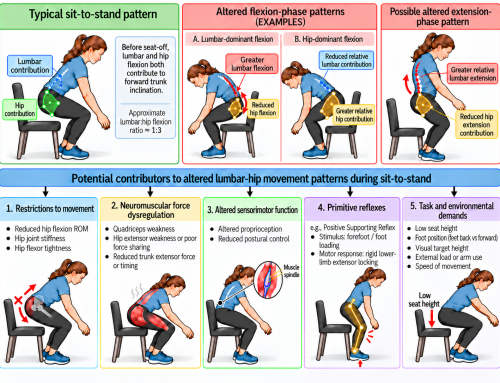
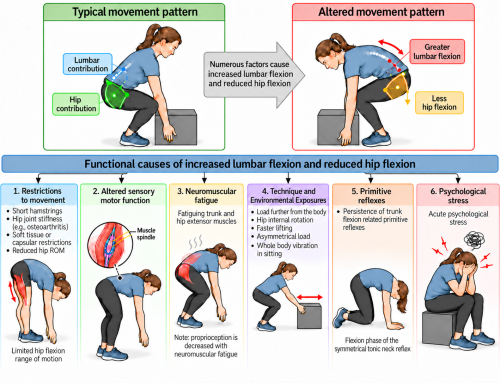
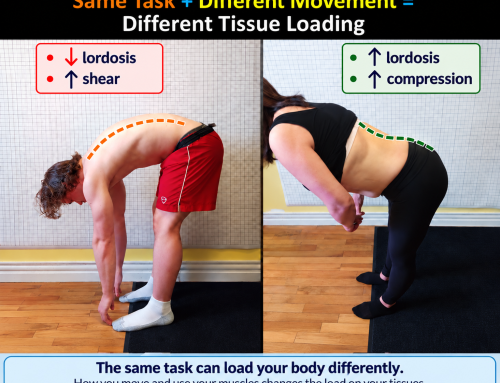
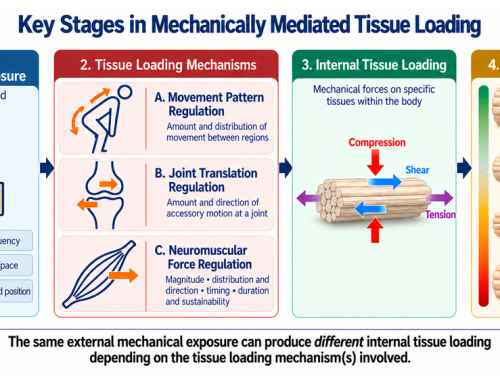
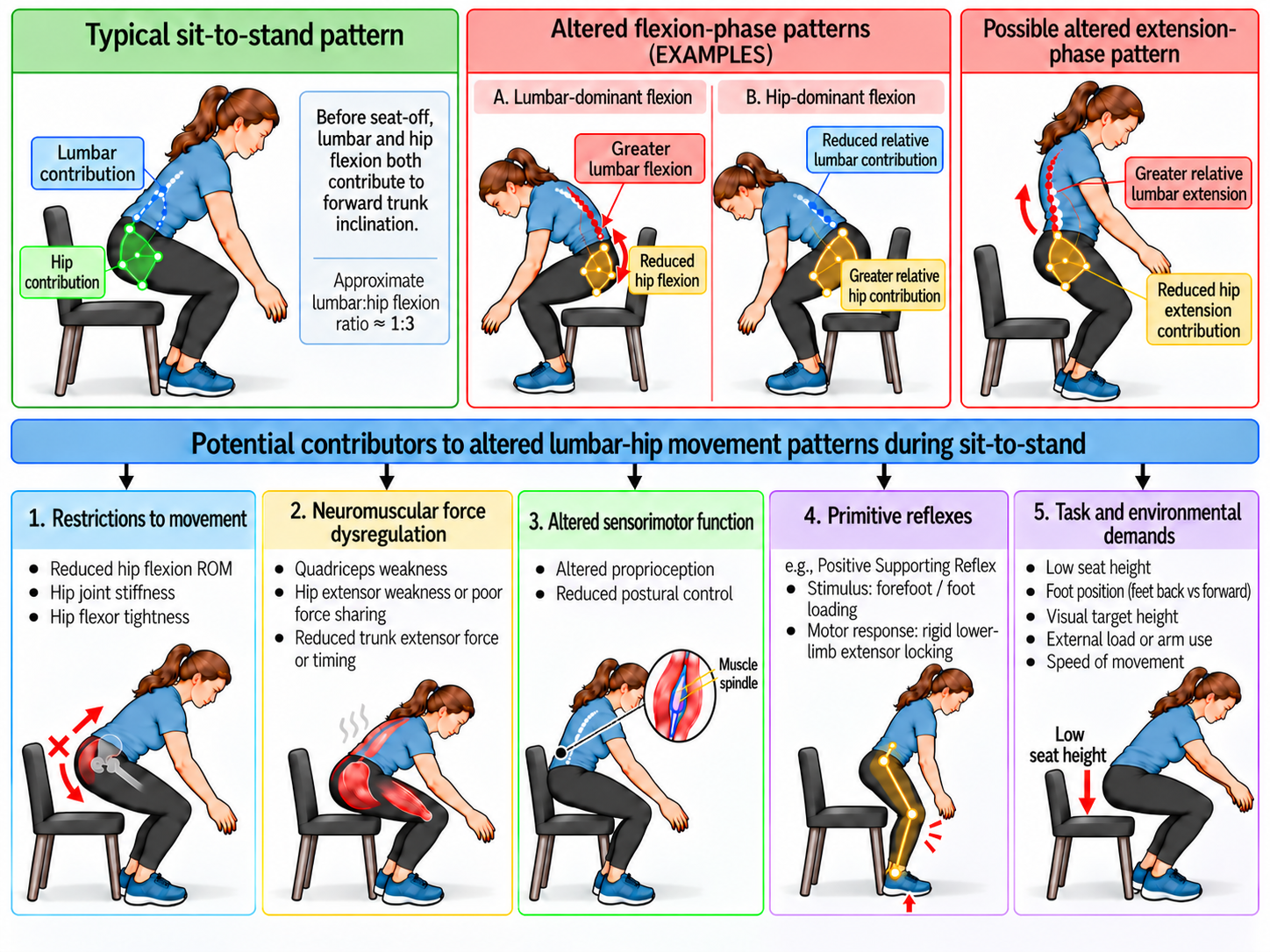
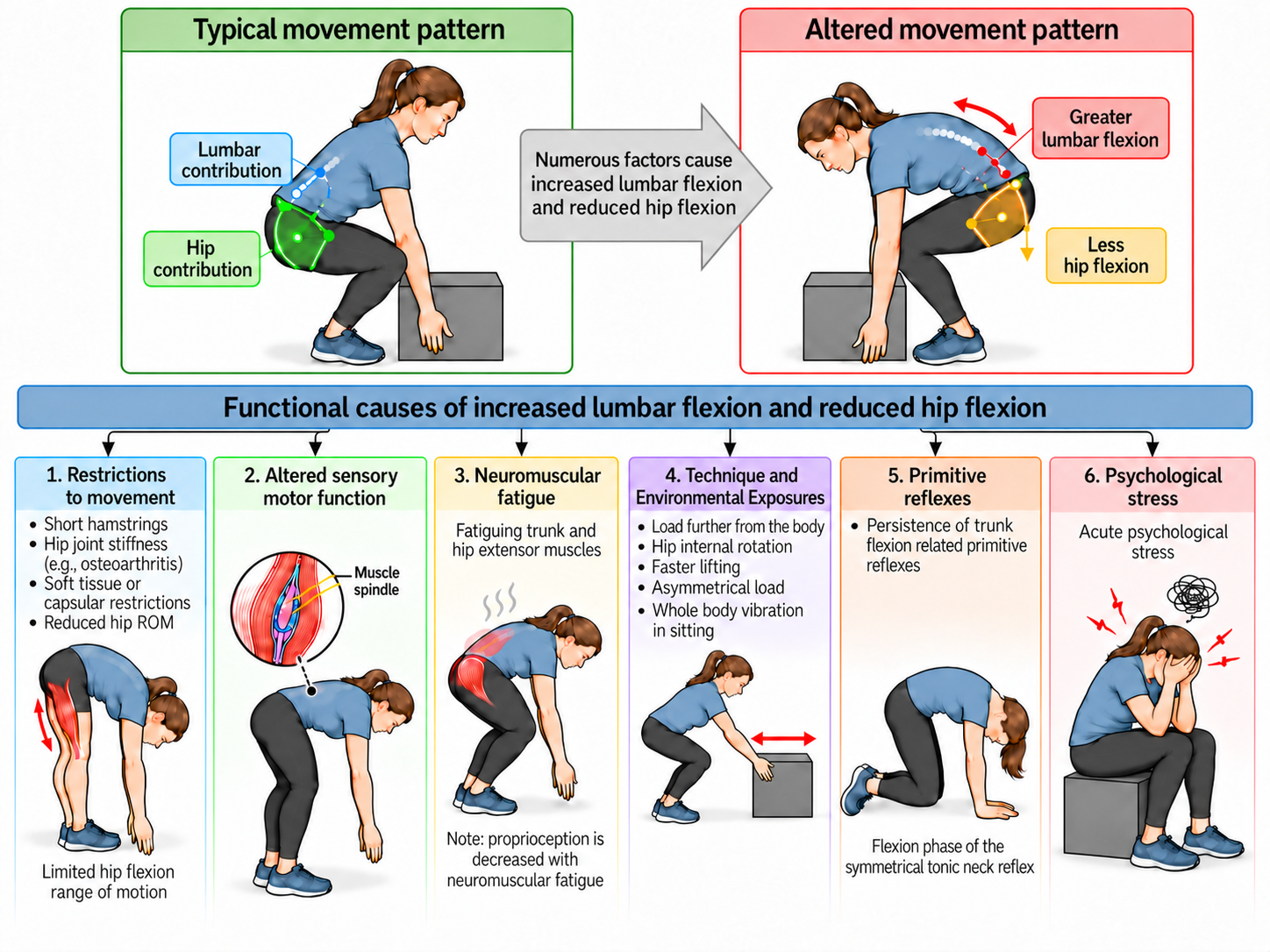
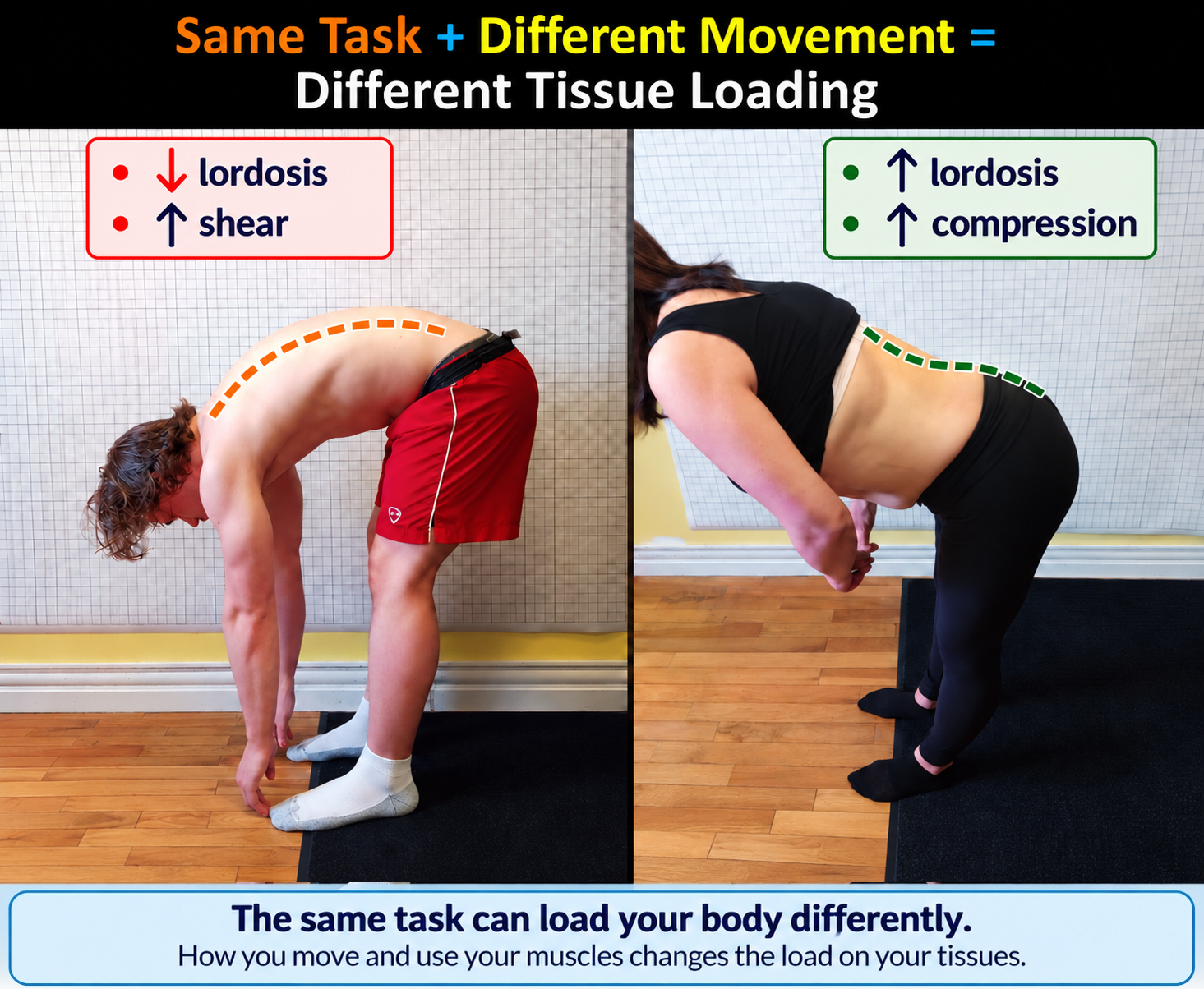
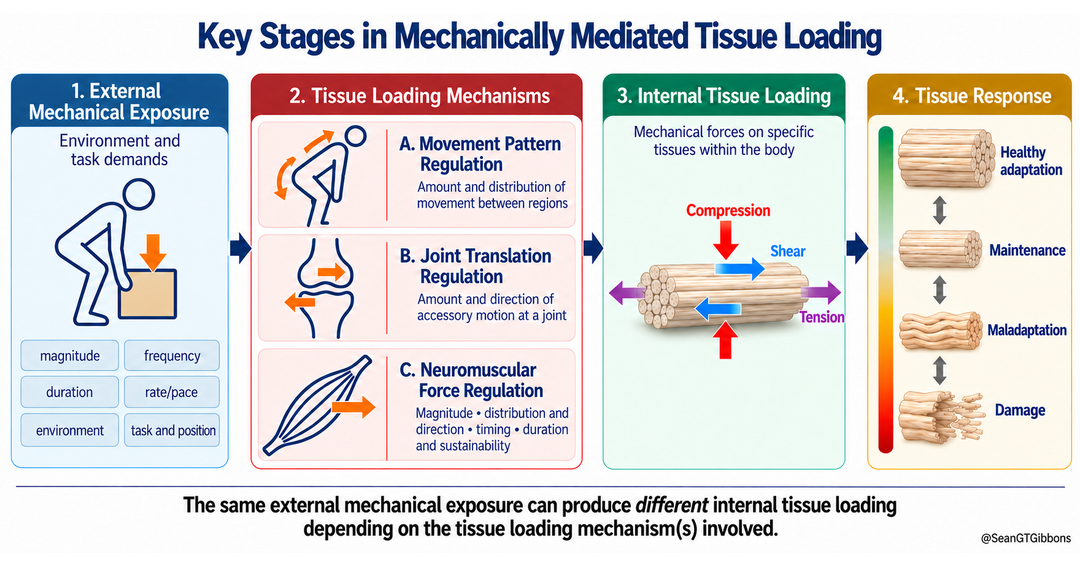
One common problem is “lumbar flexion related pain”. Subjects habitually or situationally use end range lumbar flexion. The hypothesis is this is involved in tissue loading and can lead to the tissues being a source of nociception. One common impairment seen in flexion related low back pain is a poor ability to control lumbar flexion and thus move from the hips in flexion.
For subjects whose kinetic chain sequence / kinematics displays no to minimal hip flexion, I encourage you to test for the presences of primitive reflexes that have a gross flexion pattern. The most common ones include: the Symmetrical Tonic Neck Reflex (flexion phase), the Moro Reflex (flexion phase), and the Tonic Labyrinthine Reflex (flexion). A controversial reflex relating to a flexion synergy is the Babinski Reflex. It is traditionally thought to only have a response in the foot, however a general flexion synergy has been documented in the lower limb. I (and others) have observed this in the whole trunk as well. I have also observed orofacial patterns (hence implications for TMJ, speech, and swallowing).
If you rehabilitate movement patterns, you should understand primitive reflexes.
Want to learn more about this? Get in touch.

Leave A Comment