
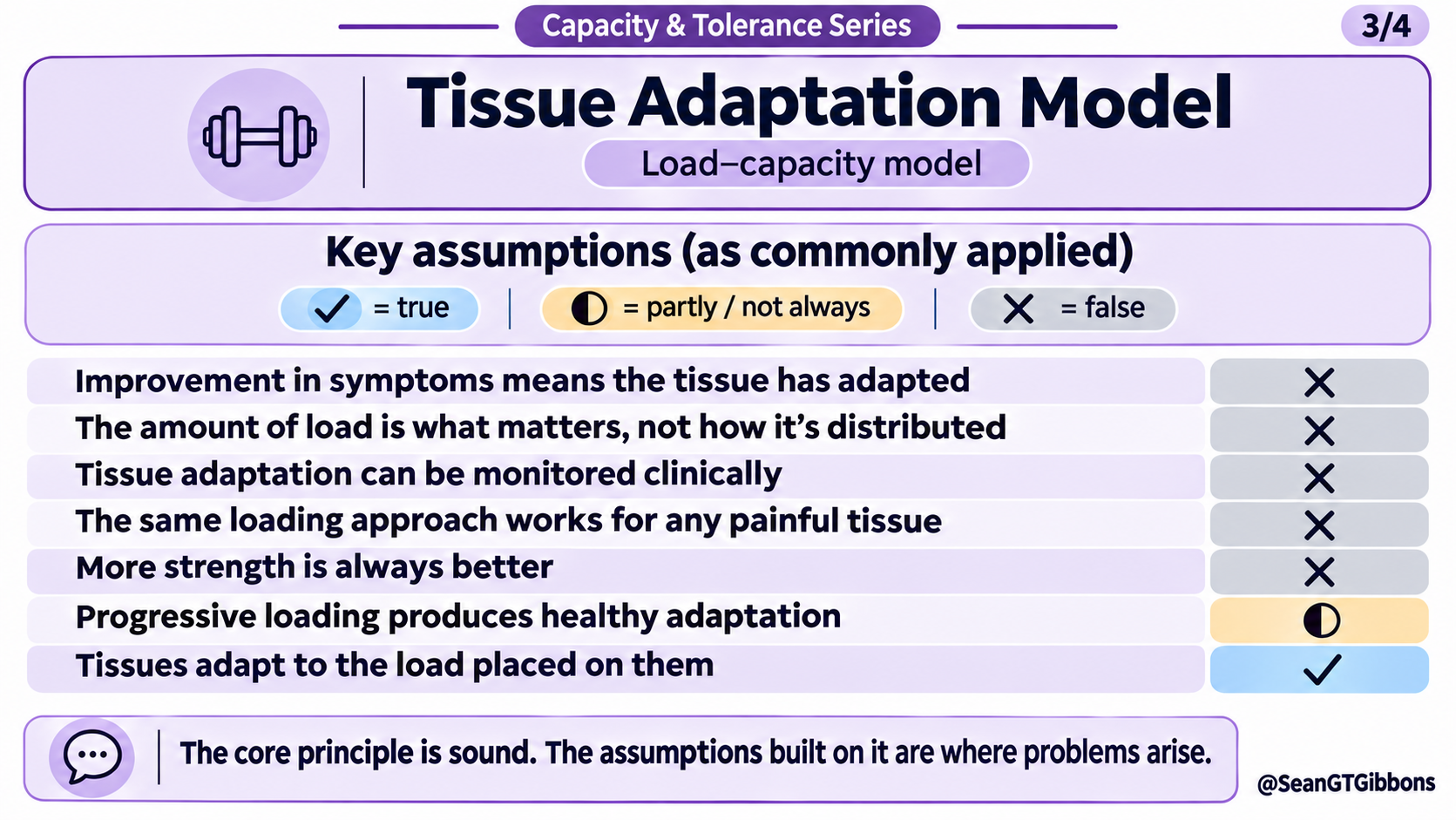
The tissue adaptation model (often called the load–capacity model) is one of the most widely used models in rehabilitation. Its core principle is sound: tissues adapt to the load placed on them. Progressive loading helps many people.
But several assumptions have been built on that principle as it’s commonly applied, and they don’t all hold up. Below is a “select” number of comments and by no means is the complete number of limitations or benefits.
✗ Improvement in symptoms means the tissue has adapted. Symptoms can improve for many other reasons.
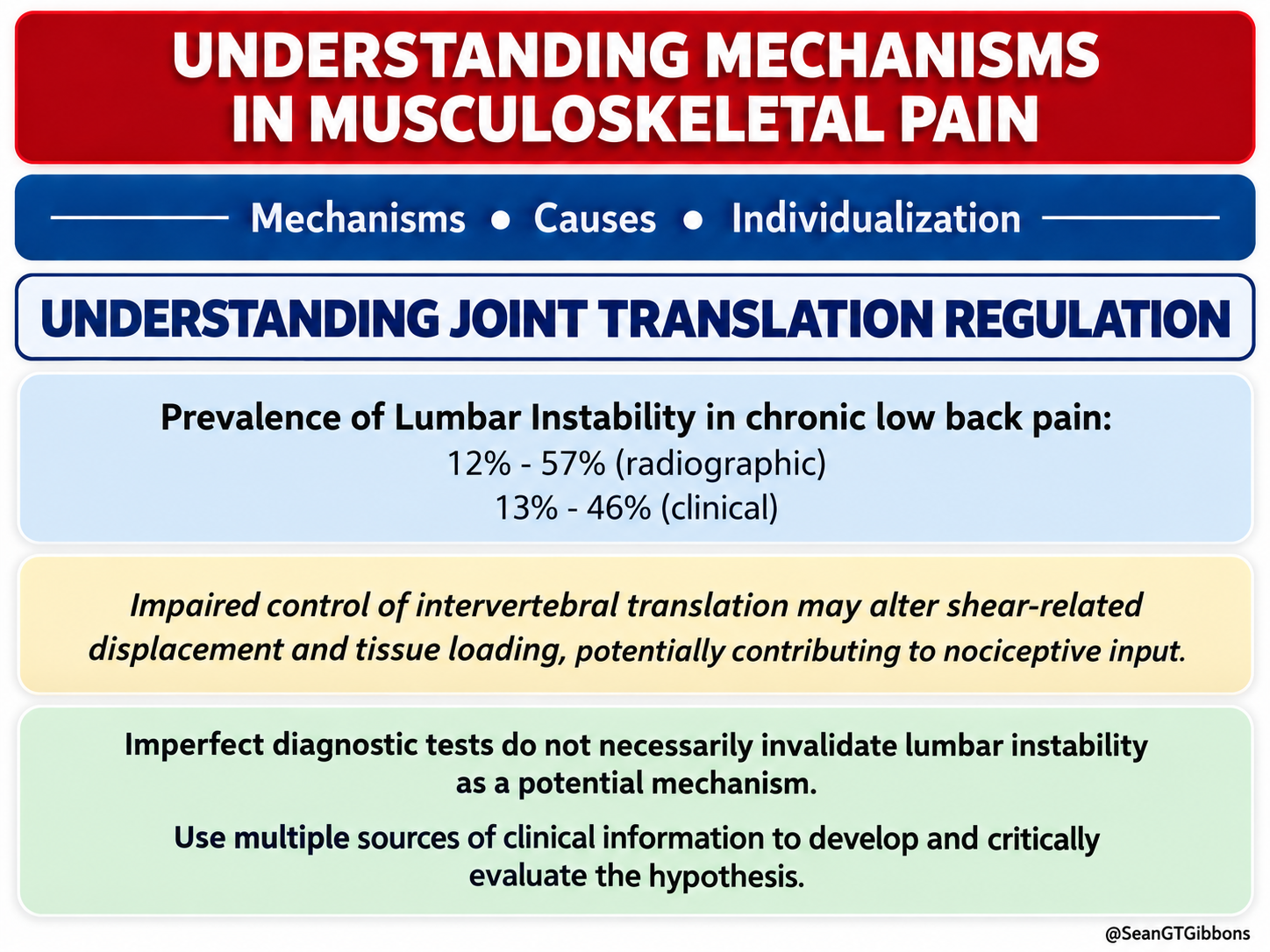
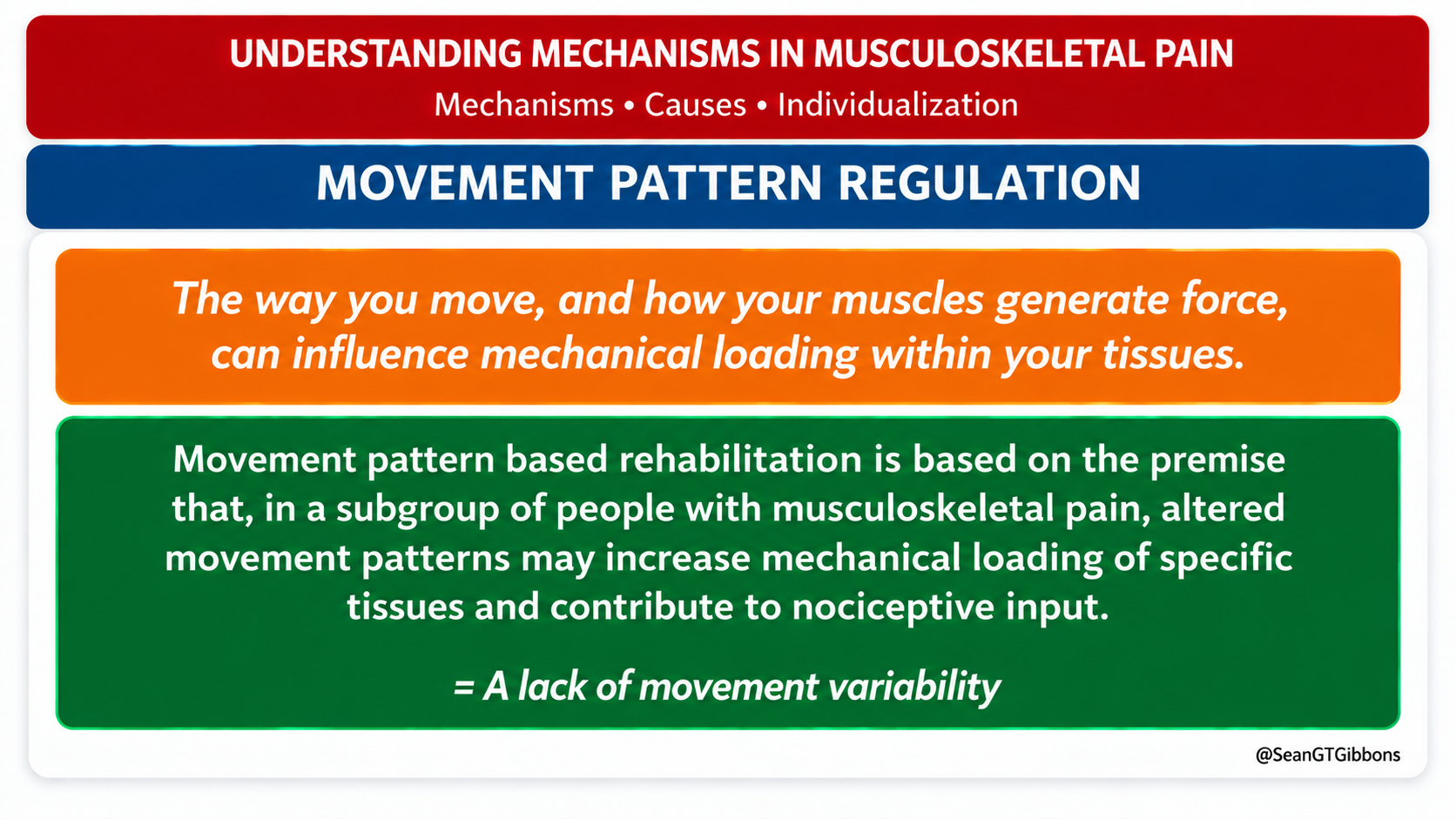
✗ The amount of load is what matters. How load is distributed (movement pattern, joint translation, force regulation) changes which tissue, and how a tissue, is loaded. Tissue Loading mechanisms should be considered. There is no reason these have to be mutually exclusive models. They can both be done concurrently.
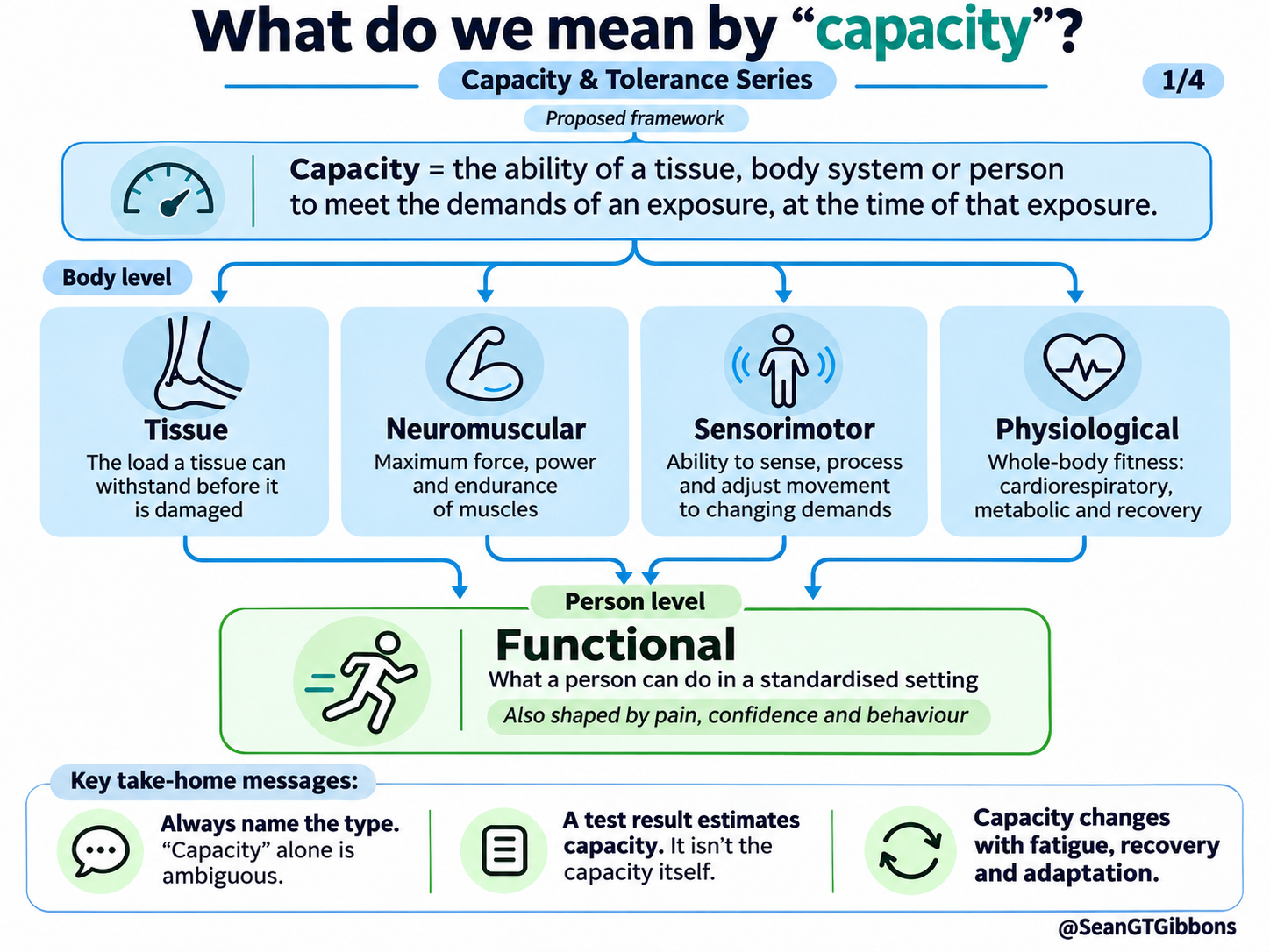
✗ Tissue adaptation can be monitored clinically. Strength and function tests measure the person, not the tissue. There’s no clinical test of whether a tissue needs to adapt, is adapting, or has adapted enough. A clinician generally uses symptoms to guide load progression rather than tissue adaptation.
✗ The same loading approach works for any painful tissue. Tissues adapt differently, and not all pain comes from a tissue that loading can change. What about nerves? This also relates to other issues such as “non-specific” diagnosis and the consideration of pain mechanisms.
✗ More strength (or load) is always better. Some people are already strong or stiff.
◐ Progressive loading produces healthy adaptation. Not always.
✓ Tissues adapt to the load placed on them.
The model isn’t wrong. It’s incomplete. Progressive loading is one tool, not the whole toolkit.

Leave A Comment